
The Epstein Files: The Connecticut Connection
Hundreds of names are mentioned in the Epstein Files. At least 4 persons mentioned were either born, educated, work and or live in Connecticut

When the U.S. Department of Justice released more than three million pages of federal records in January 2026—pursuant to the Epstein Files Transparency Act, signed into law by President Donald Trump on November 19, 2025—a familiar cycle followed: names circulated, headlines multiplied, and the public was left to interpret what a “mention” actually signifies.
The law directed the DOJ to publish all unclassified records, videos, and images related to the late financier Jeffrey Epstein and his imprisoned associate Ghislaine Maxwell. What emerged was a sprawling digital archive: emails, calendars, travel logs, investigative memoranda, third-party correspondence, and media references.
Some names appear in direct and consequential ways. Others surface incidentally. The Department of Justice has cautioned that the presence of a name does not, by itself, explain context or imply wrongdoing. A “mention” can range from direct communication to something as limited as inclusion in a news clipping.
Within those millions of pages are four individuals with clear ties to Connecticut—through residence, education, or professional life:
A New Canaan resident and longtime executive assistant to Jeffrey Epstein
A former U.S. Coast Guard officer and graduate of the U.S. Coast Guard Academy in New London, who was married to Ghislaine Maxwell until 2021
A New Haven native, former U.S. Treasury Secretary, and former president of Harvard University
A Woodbridge resident and longtime Yale University professor
The Assistant (2001–2019)
If one Connecticut-linked name stands out in the archive by sheer volume, it is Lesley Groff.
A resident of New Canaan, Groff served as Epstein’s executive assistant for nearly two decades. In that role, she managed scheduling, coordinated travel, handled communications, and oversaw administrative logistics. By the nature of such a position, her name appears frequently across calendars, emails, travel manifests, and contact lists.
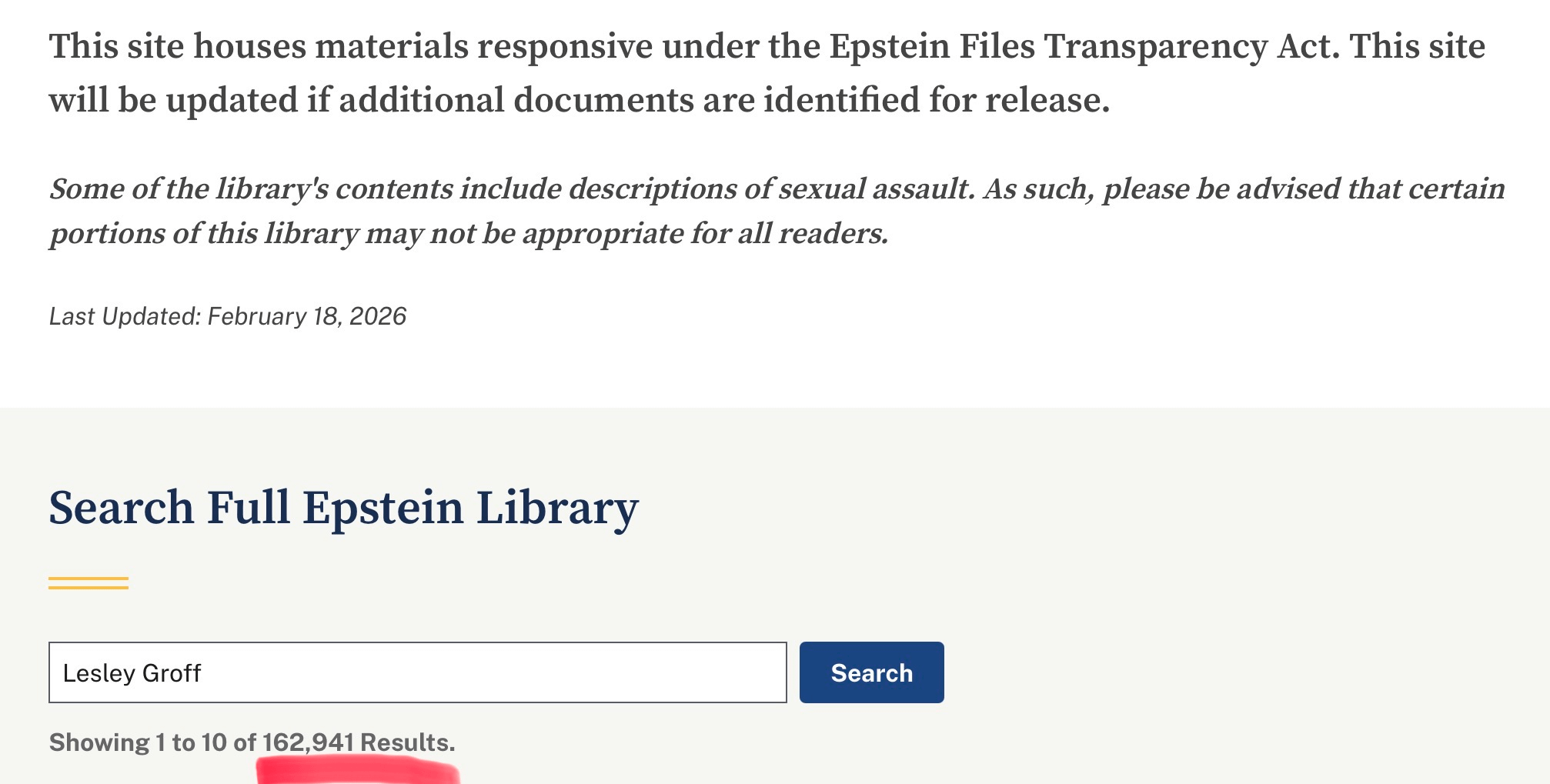
In the released records, Groff’s name appears nearly 160,000 times—second only to Epstein himself. That volume alone generated national headlines.
Connecticut-based reporting, including coverage from CT Insider, has described Groff as deeply embedded in Epstein’s day-to-day operations. DOJ materials indicate she was, at one point, considered by investigators as a potential co-conspirator. She was never charged with a crime.
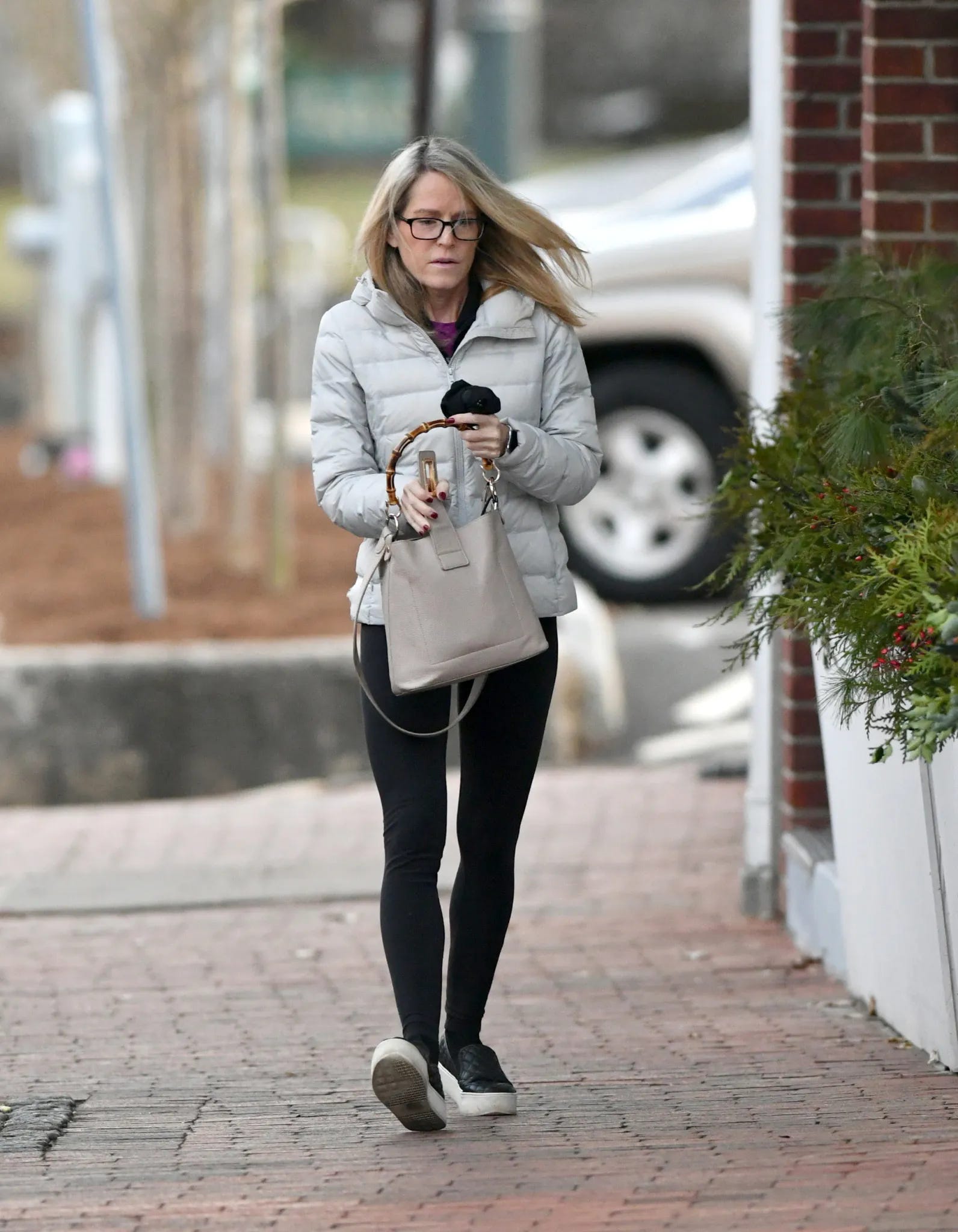
Credit: The U.S. Sun
Her attorney, Michael Bachner—who The Connecticut Native reached out for comment—has stated publicly that Groff had no criminal involvement and was never formally notified she was under investigation. Civil lawsuits alleging she facilitated scheduling were later dropped.
Groff’s case sat closest to the operational core of Epstein’s network. It also underscores a central reality of the files: frequency of appearance does not, on its own, establish criminal liability. The records reflect her professional role—but do not independently determine culpability.
The Former Coast Guard Officer (2016–2021)
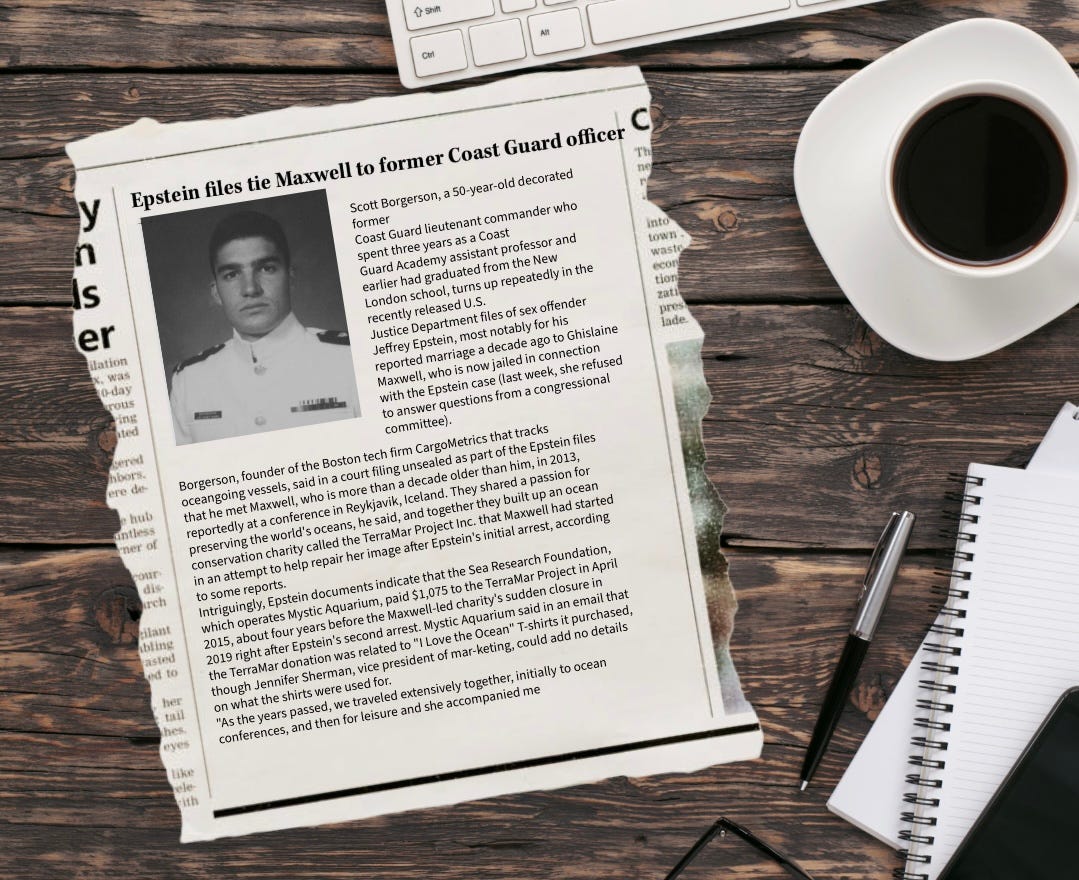
Another Connecticut-linked name is Scott Borgerson, a graduate of the U.S. Coast Guard Academy in New London.
A former Coast Guard officer turned technology entrepreneur, Borgerson entered the Epstein narrative through his relationship with Ghislaine Maxwell. Reporting indicates the two were married in 2016, prior to Epstein’s 2019 arrest, and later separated around 2021.
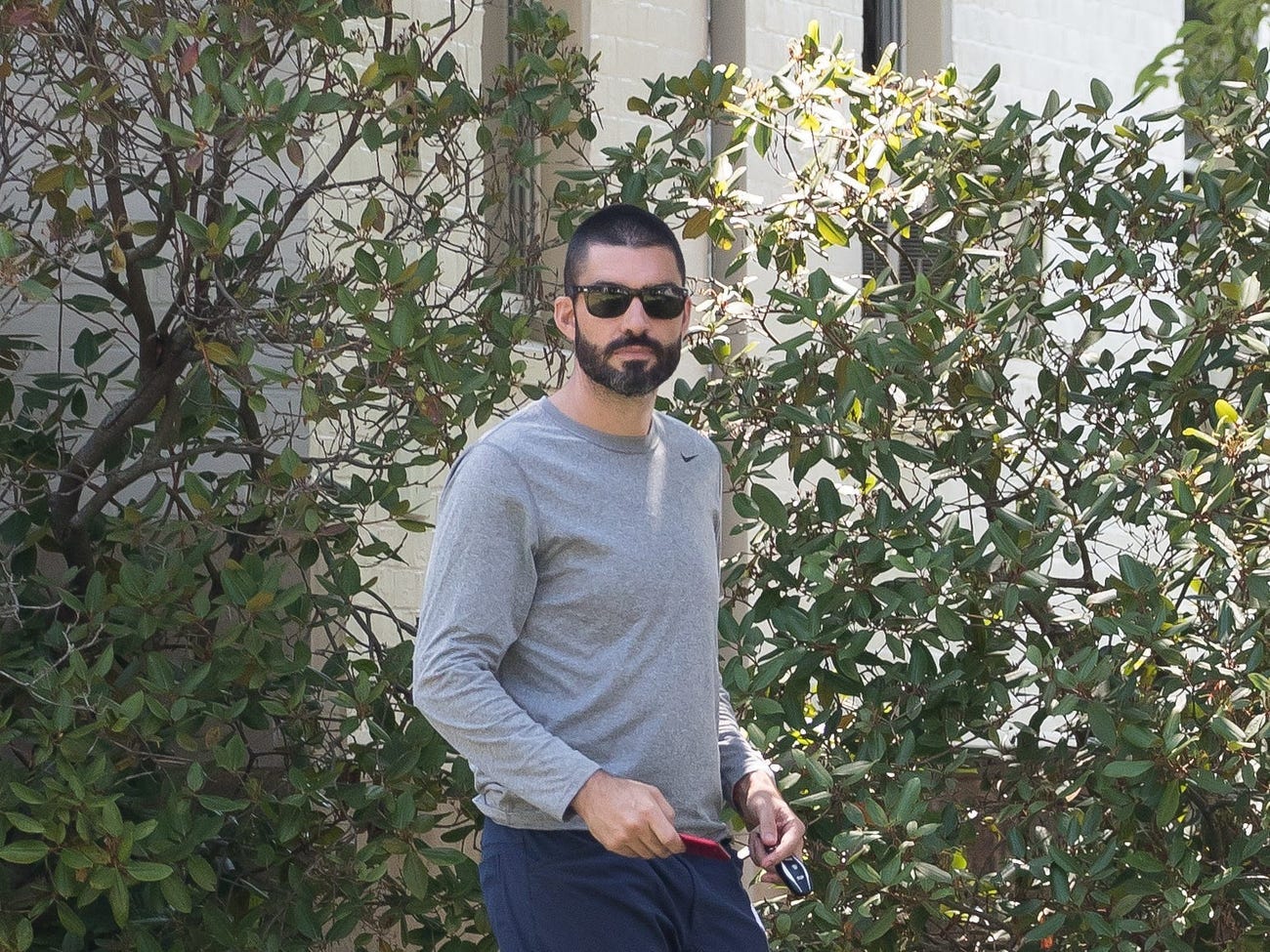
Credit: The Mega Agency
His presence in the broader story stems less from documented operational involvement and more from personal association with Maxwell.
For a more detailed account of Borgerson’s background and relationship timeline, Lee Howard of The Day of New London has published an in-depth report. That reporting is referenced here: Epstein files tie Maxwell to former Coast Guard officer, The Day by Lee Howard, Feb 15, rather than duplicated.
The Former Treasury Secretary (2013–2019)
Larry Summers, a New Haven native and former U.S. Treasury Secretary, appears in the Epstein materials primarily through email correspondence.
Summers, who also served as president of Harvard University, acknowledged maintaining contact with Epstein after Epstein’s 2008 conviction in Florida. The correspondence spans roughly from 2013 until Epstein’s arrest in 2019.
The emails include a mix of professional, social, and personal exchanges. Some messages—particularly those discussing gender and personal relationships—drew criticism when made public due to their tone and content.
While Summers was not charged with any wrongdoing, he is taking a leave from teaching duties, the University confirmed this week, as the Harvard administration opens an investigation into Summers’s and other affiliates’ relationships with the convicted child sex offender.
Summers apologized for his ongoing relationship with Epstein in a statement shared with The Crimson and other news outlets, saying:
“I am deeply ashamed of my actions and recognize the pain they have caused,” Summers said, according to the statement, which was published in numerous news outlets. “I take full responsibility for my misguided decision to continue communicating with Mr. Epstein.”
The Yale Professor (2009–2015)
Among the Connecticut-linked cases prompting immediate institutional response is David Gelernter, a longtime Yale University computer science professor and Woodbridge resident.
Gelernter first gained national attention in 1993 after surviving a mail bomb attack by Ted Kaczynski, the “Unabomber.”
Decades later, DOJ records revealed he had maintained correspondence with Epstein between 2009 and 2015, after Epstein’s 2008 conviction.
According to reporting by the Associated Press, an email to Epstein in October 2011 — several years after Epstein pleaded guilty to soliciting prostitution from an underage girl — Gelernter wrote that he had an “editoress” in mind for a job — a Yale senior whom he described as a “v small good-looking blonde.”
Gelernter defended that message in an email last week to Jeffrey Brock, dean of Yale’s School of Engineering & Applied Science, according to the Yale Daily News, which reported that Gelernter also forwarded the email to the student newspaper.
He noted that Epstein was “obsessed with girls” — “like every other unmarried billionaire in Manhattan; in fact, like every other heterosexual male” — and he was keeping “the potential boss’s habits in mind.”
“So long as I said nothing that dishonored her in any conceivable way, I’d have told him more or less what he wanted,” Gelernter wrote to Brock, the paper reported. “She was smart, charming & gorgeous. Ought I to have suppressed that info? Never!”
He added: “I’m very glad I wrote the note.”
In response, Yale placed Gelernter on leave from teaching pending review.
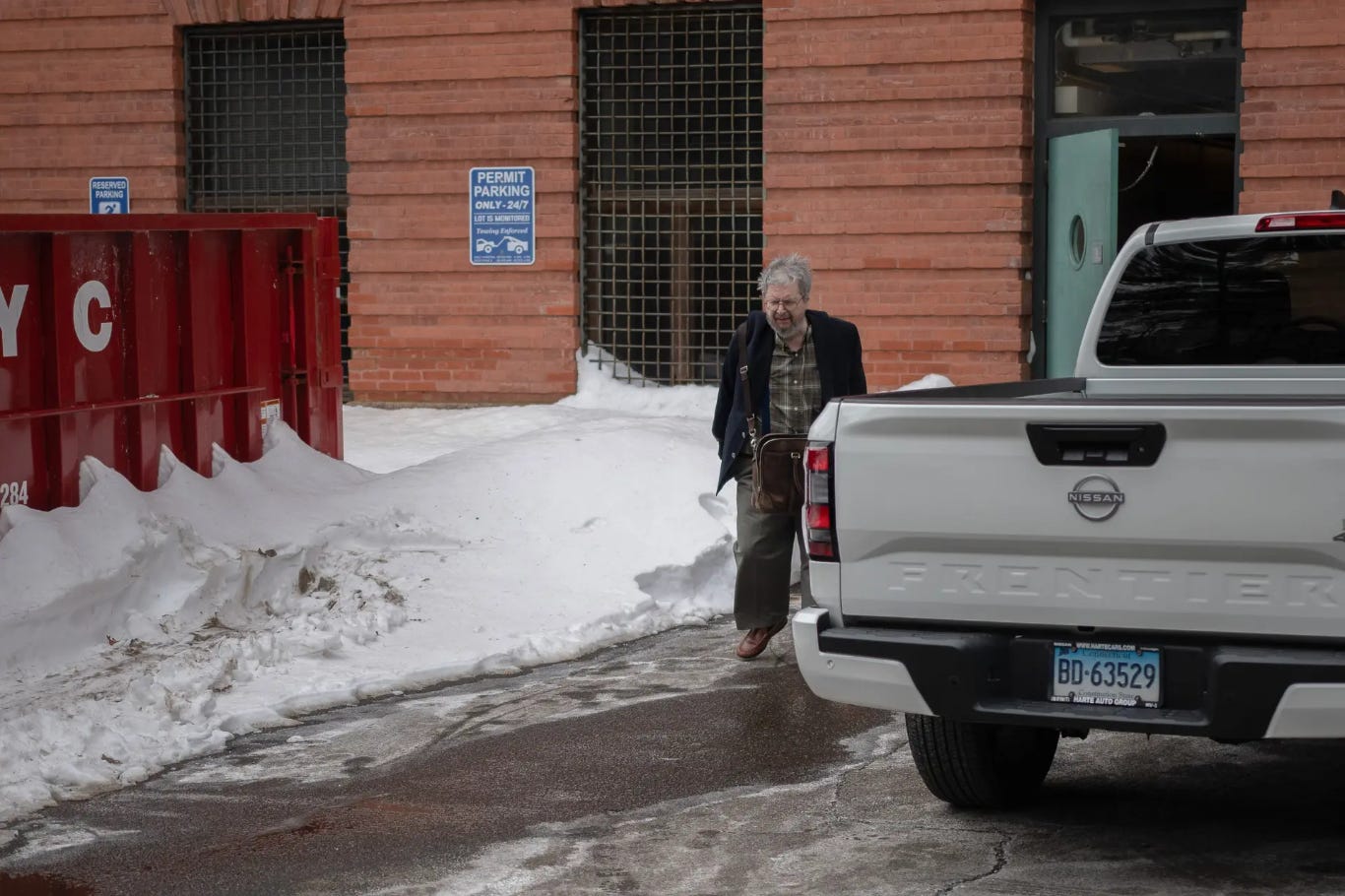
Credit: Garrett Curtis, Yale News
What a “Mention” Means
The 2026 document release has drawn criticism for presenting a vast number of names without always providing clear context. In a digital archive, scale can suggest significance. Frequency can imply proximity. Headlines can imply guilt.
But a mention is not a charge. An email is not a conviction. Inclusion in a record is not proof of participation in criminal conduct.
For Connecticut—a state where national institutions intersect closely with local communities—the files serve as a reminder of how interconnected networks of power can become across academia, finance, government, and beyond.
The four individuals examined here appear in distinct contexts: operational coordination, personal association, correspondence, and academic exchange. Their roles are not interchangeable, and their legal circumstances are not the same.
What unites them is geography.
What remains unresolved is a broader question:
How did access become normalized—and how should institutions respond when that normalization is exposed?
Editor’s Note: Being named in the DOJ’s released records does not imply wrongdoing. This article is based on publicly available reporting. None of the individuals discussed have been charged with crimes related to the appearances described above.